The HVAC/R market is innovating, and products/services need to evolve faster in order to fill the gaps created by new technologies. Here we look at how the scenario is changing, starting from the trends in the HVAC/R market through the development of sensors, and finally the benefits that can be obtained by the combination of sensors, algorithms and connections.
Comfort and indoor air quality: which are the best solutions?
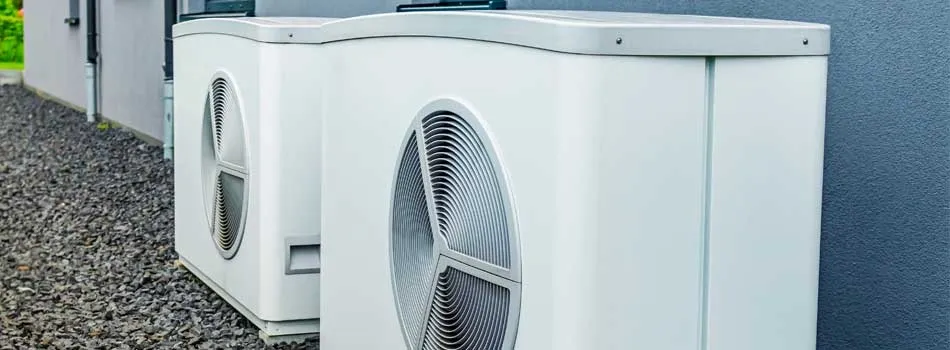
One of the most interesting technologies in the HVAC/R sector is the heat pump, which is experiencing significant growth in residential and commercial settings. When integrated with natural resource-based technologies such as photovoltaic, ground source, or evaporative cooling systems, these highly efficient systems can provide space heating, cooling, and hot water production. Unlike in the past, heat pumps now have extended operating ranges, allowing them to be used in various climates worldwide.
To enhance efficiency, it is beneficial to insulate buildings to minimise heat transfer with the outdoor environment. However, insulation can potentially lead to decreased indoor air quality, requiring continuous air change. Therefore, it is essential to combine insulation with an air-handling system equipped with heat exchangers to ensure optimal indoor comfort. This specific system configuration is currently regarded as one of the most effective solutions for air conditioning in buildings. Heat pumps and controlled ventilation systems can incorporate variable-speed compressors, fans, and proportional electronic valves to enhance energy efficiency even further.
When emerging cooling and heating technologies are combined with the right sensors, HVAC/R system efficiency is boosted.
For this reason, the market for temperature, pressure, humidity sensors and indoor air quality solutions is firmly established and experiencing rapid growth. Temperature, pressure and humidity are three essential parameters to be monitored for optimising the performance of HVAC/R systems. Control algorithms can be implemented to enhance system efficiency by accurately measuring these parameters. However, it is crucial to remember that the primary objective of measuring temperature, pressure and humidity is to ensure individual comfort or the ideal preservation and storage of goods.
The Covid-19 pandemic has further emphasised the significance of temperature and humidity control in mitigating the proliferation and transmission of bacteria and viruses in indoor spaces.
Now a provocation! While we often prioritise monitoring our food intake, do we also pay the same attention to what we breathe?
We can ensure that people inhabit healthy and comfortable environments by measuring and controlling factors such as temperature, pressure, humidity, CO2 levels, volatile organic compounds (VOCs), and particulate matter (such as PM2.5 and PM10). This comprehensive approach to air quality parameters safeguards individuals’ well-being. Air handling units can utilise this acquired data to adjust air change flow-rates or activate space air conditioning accordingly.
The evolution of HVAC/R system usability
The pursuit of more efficient HVAC/R technologies, such as heat pumps, in response to the energy crisis, has created a discrepancy between the availability of these technologies and the pool of qualified specialists capable of working on them. The need for qualified personnel has hindered the timely response to market demand for new installations.
Consequently, the latest developments in HVAC/R components and systems strongly emphasise simplified usability. This approach yields benefits such as quicker installation and service times. Furthermore, the integration of Internet of Things (IoT) technology allows instruments and components to connect, optimising air conditioning unit operation based on web-derived data such as weather forecasts.
The combination of emerging technologies, bolstered by IoT and advanced algorithms, will give rise to intelligent devices that simplify the management and maintenance of HVAC/R systems. These units will be capable of identifying optimal operating set points and reporting faults, with comprehensive analysis of the underlying causes, streamlining field service for technical personnel. Guided configurations and root cause analysis will simplify installation procedures.
Overall, this technological evolution will reduce the time required to train operators and provide greater access to information. Additionally, integrating commonly-used devices such as smartphones will facilitate system access and interaction.
The above technologies can be beneficial for many other growing market segments, such as refrigerated transport. Using sensors, IoT connectivity, and control systems with advanced algorithms significantly improves the preservation of perishable items in refrigeration systems. By continuously monitoring the operating conditions of refrigeration units, it becomes possible to ensure appropriate storage conditions for goods.
Smart monitoring and control systems process the data from the sensors, thus enabling targeted action in cold chain temperature control, helping to improve food safety, reduce waste, increase efficiency and enhance customer satisfaction.
Benefits of IoT technologies
Integrating multiple sensors through controllers equipped with advanced algorithms, along with the accessibility of IoT data, enables the development of more sophisticated HVAC/R units. These units benefit from the ability to detect deviations from standard operating conditions and precisely measure variables such as vibration, pressure and temperature. These data form the foundation for the creation of predictive maintenance algorithms.
Predictive maintenance has a transformative impact on the HVAC/R market, offering significant advantages, including the following benefits:
- Unit downtime is drastically reduced as there are fewer repairs due to breakages, with preventive replacement of components before the end of their operating life.
- Installers are assisted in managing the units. A service schedule no longer needs to be remembered; the unit will notify the personnel when service is needed.
- Reduced environmental impact due to measured use of spare parts – replaced only when necessary – and guaranteed unit operation at the highest efficiency. The premature wear of the components leads to operation in non-optimal conditions.
- By minimising the need to replace malfunctioning parts and ensuring optimal unit operation, these services lead to lower operating costs and energy savings.
Technological advancements create opportunities for new service offerings in the HVAC/R industry. Companies operating in this sector can now provide customers remote monitoring, data analysis, and predictive maintenance services. These offerings have the potential to significantly reduce management costs for end users.
Climate Systems provides fresh commercial HVAC innovations to the Sioux Falls area. Call 605.334.2164, email info@climatesystemsinc.com or visit climatesystemsinc.com to learn more.
Source: “Tech evolution in the HVAC/R market,” carel.com